· Glossary · 2 min read
What Is an ORM (Object-Relational Mapping)?
An ORM acts as a translator between your code and database. Learn how Object-Relational Mapping simplifies data access in modern web frameworks.
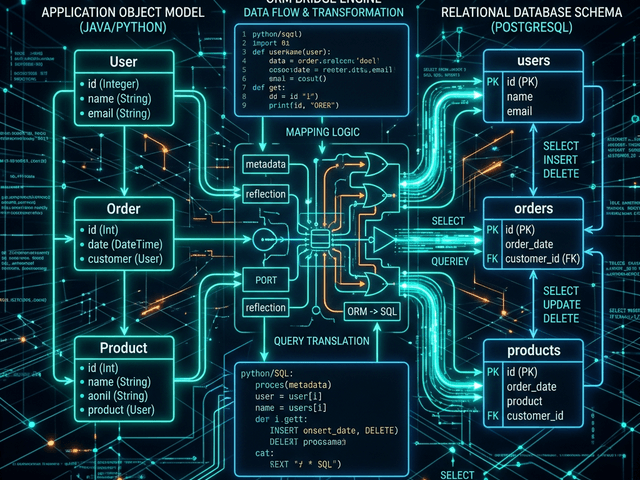
Databases speak SQL. Applications speak Objects (Python classes, Java classes).
They don’t understand each other.
An ORM is the translator.
Simple Definition
ORM stands for Object-Relational Mapping. It is a programming technique for converting data between incompatible type systems using object-oriented programming languages.
Instead of writing raw SQL queries like SELECT * FROM users WHERE id = 1 you write code like User.objects.get(id=1).
The ORM engine takes that Python code translates it into SQL runs it on the database and converts the result back into a Python object.
Converting code objects to database rows
It allows developers to work with data without being SQL experts. It abstracts the database away.
Use Case
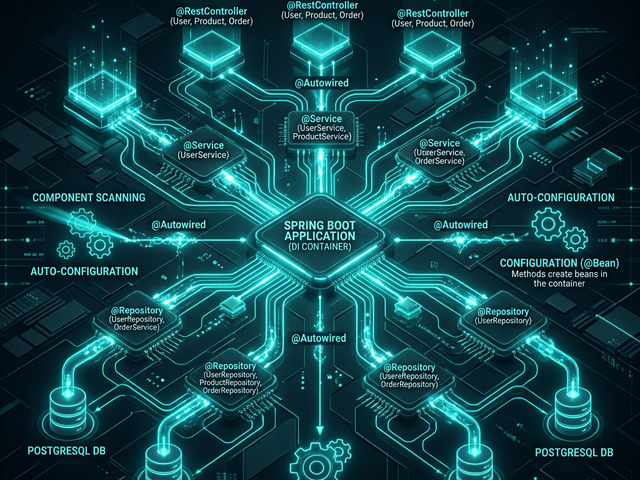
Almost every modern web framework uses an ORM.
- Django: Built-in ORM.
- Java: Hibernate.
- Node.js: Prisma, TypeORM.
Visualizing ORM
Because the ORM hides the database schema it is easy to lose track of the actual data structure.
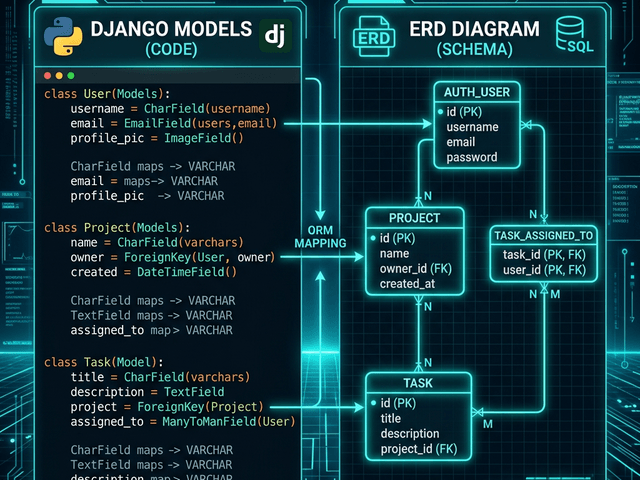
Code Class to DB Table mapping
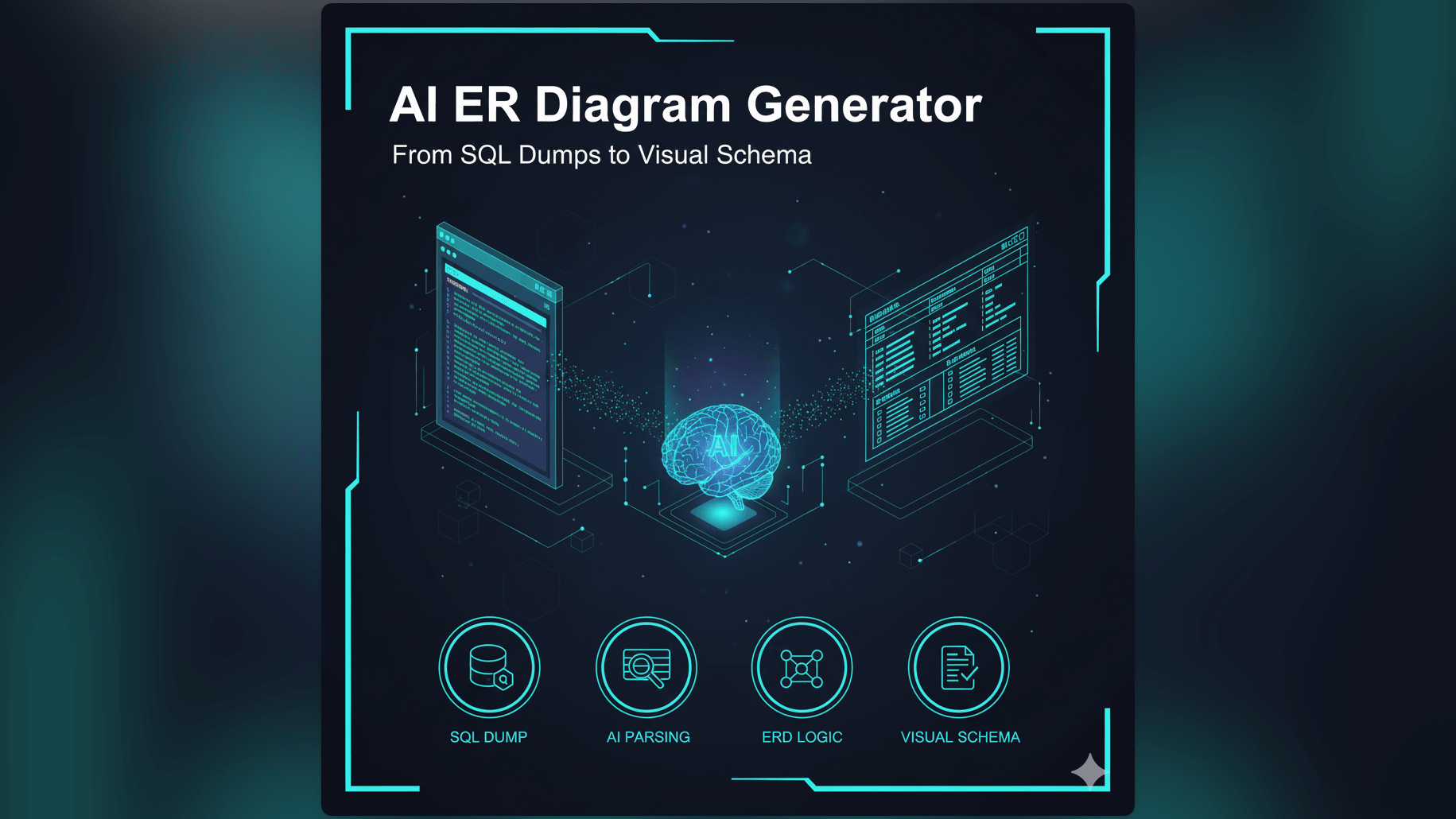
You can use AI Diagram Maker to visualize this mapping.
You paste your Python Class code. The AI generates an ER Diagram. The diagram shows:
- Class Name = Table Name.
- Class Attribute = Column Name.
- Class Reference = Foreign Key.
This visual confirms that your code matches your intended database design. It helps you spot “N+1 query” issues where your code structure accidentally triggers thousands of SQL queries.
Related Terms
To work with data layers you need these terms:
- SQL (Structured Query Language): The raw language of the database.
- Migration: A script generated by the ORM to update the database schema (e.g. creating a new table).
- Lazy Loading: A pattern where the ORM doesn’t fetch data until you actually ask for it.
- Active Record: A specific implementation pattern of ORM used by Rails and Django.
For more on visualizing your data models check out our System Design Guide.